

The cost of almost everything is going up and I know lots of people are trying to figure out ways to save money. Historically, doing something yourself is often cheaper than having someone else do it for you. But is that the case for clothing? Is it actually cheaper to sew your own clothes?
The hard and fast answer generally agreed upon by most people who sew is: No, sewing your own clothes is NOT cheaper than buying.
And, to be honest, I agree with this.
However…
I do believe that this topic deserves a more nuanced answer.
SO. Because I sew and because I identify as a frugal person and because I have been thinking about this waaaay too much, I decided to do a whole post on it. Actually two posts! There was too much I wanted to say on the topic, apparently, so I decided to break it down into two parts. Today we’ll talk about what sewing clothing costs in real life and tomorrow I have a post about when sewing might actually be cheaper than buying.
To start, let’s walk through the actual cost of making a dress and what factors come into play.

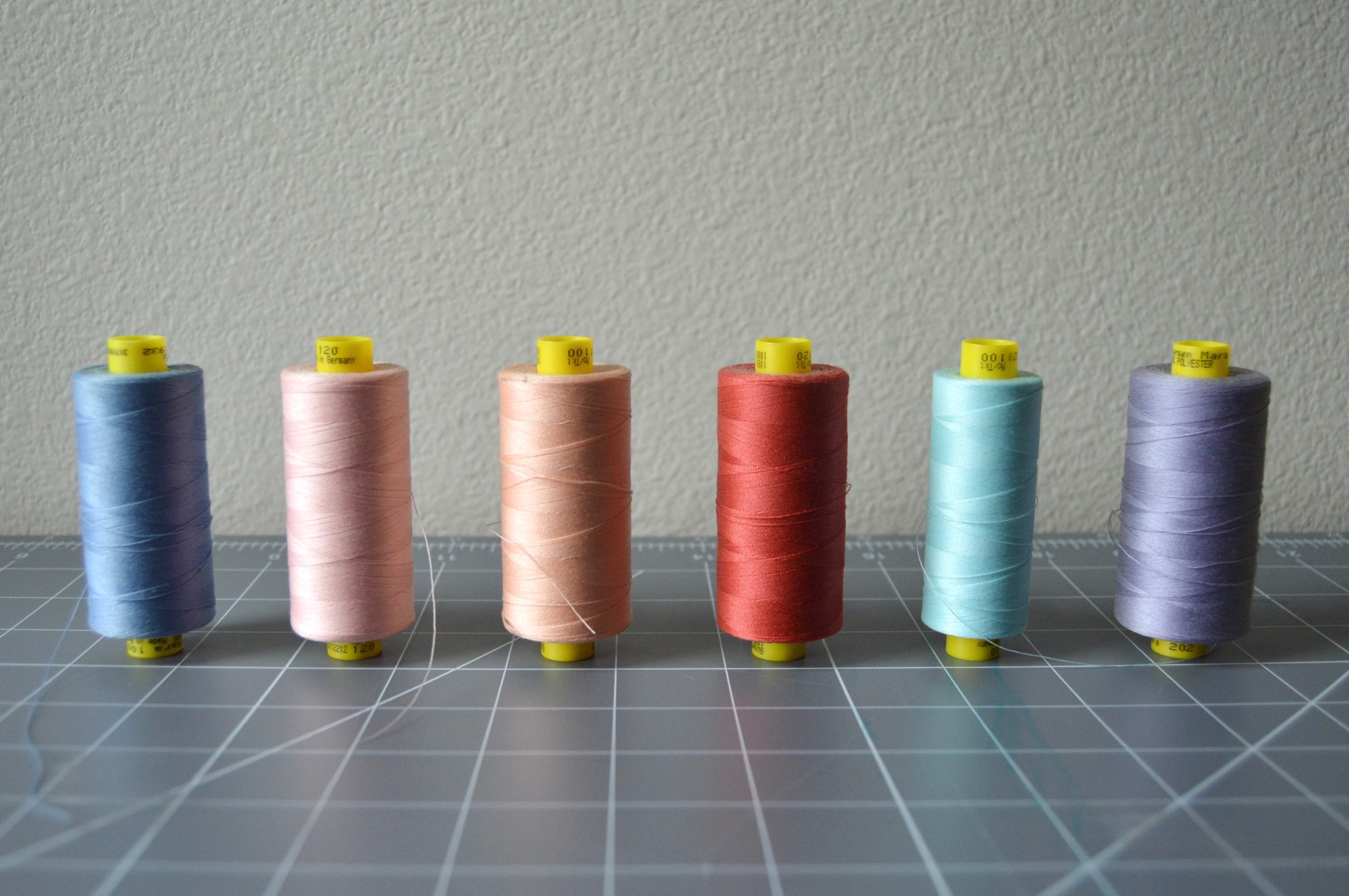
Let’s use the dress pictured above as our example. I made this dress a couple years ago using the pattern Simplicity 9041. This was back when Joann was in business so I bought a physical copy of the pattern during one of their pattern sales and probably spent 2 dollars. Those days are gone, but if I were to buy the pattern now, I would similarly wait for one of their sales when patterns go for $5.00, so that’s the price we’ll use in our example.
The fabric I used here is a Liberty London Tana Lawn in Margaret Annie (similar here). For me and my budget, this is a higher-end fabric that’s a bit pricey. Right now, it goes for about $40/yard, although I got mine on sale for half price ($20/yd).
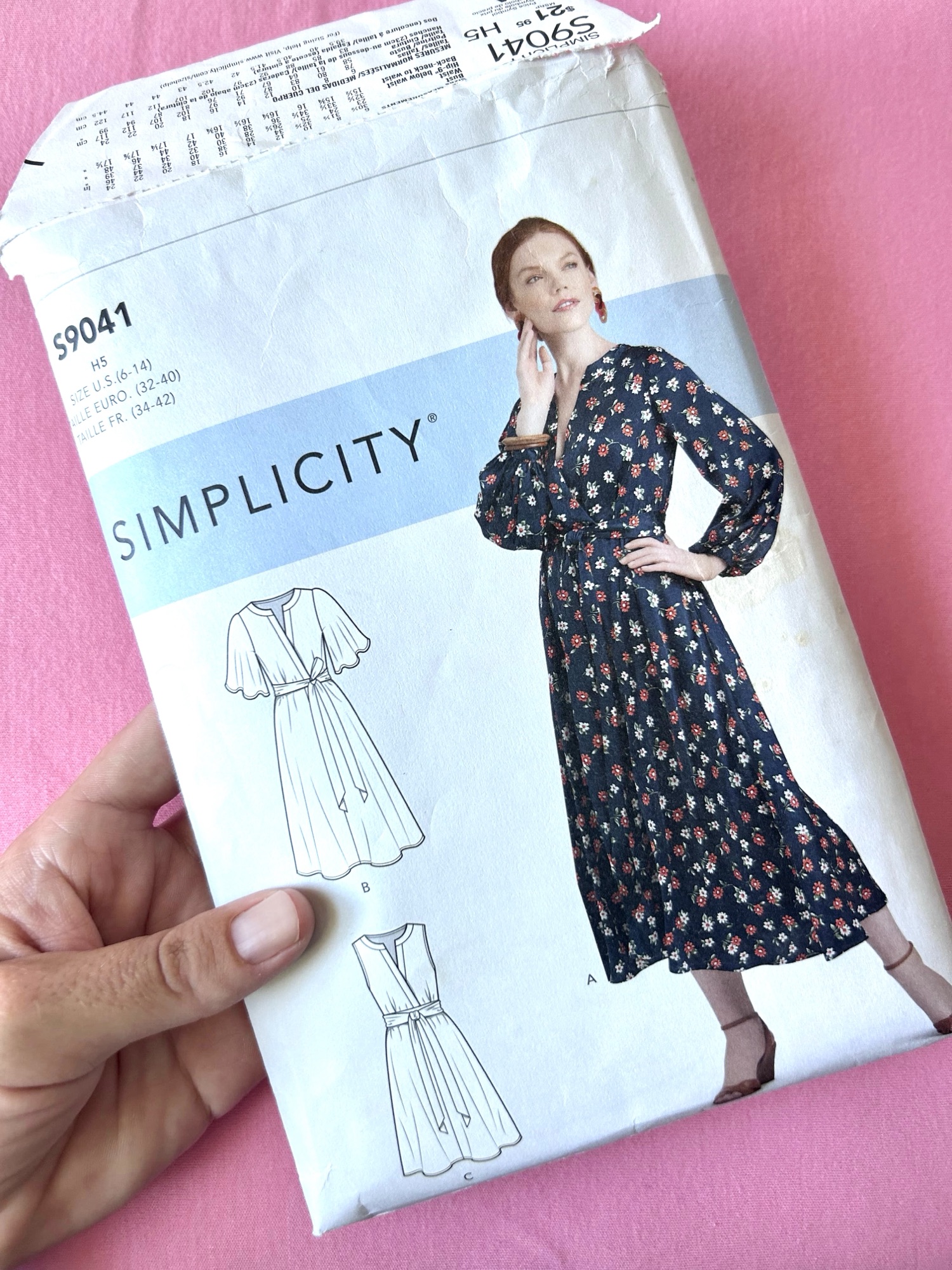
The pattern includes important information, including how much fabric you’ll want to have on hand for your project. I had over 5 yards of fabric, but only used about 3 1/2 yards, so that’s the amount we’ll factor in to our total price: $20/yd x 3.5 yds=$70.
Under notions, the pattern also says we need thread which is $5.00 for a spool, as well as 1/4 inch elastic which is $6.00. We also need lightweight fusible interfacing which is $4.00 for 1 yard.

Here’s where we’re at for cost:
Pattern: 5.00
Fabric: 70.00
Thread: 5.00
Elastic: 6.00
Interfacing: 4.00
Total: $90.00
So. Is this cheaper than say Anthropologie? Yes, definitely. But is it the cheapest way to clothe oneself? Not by a long shot.
A few things to consider when thinking about the cost:
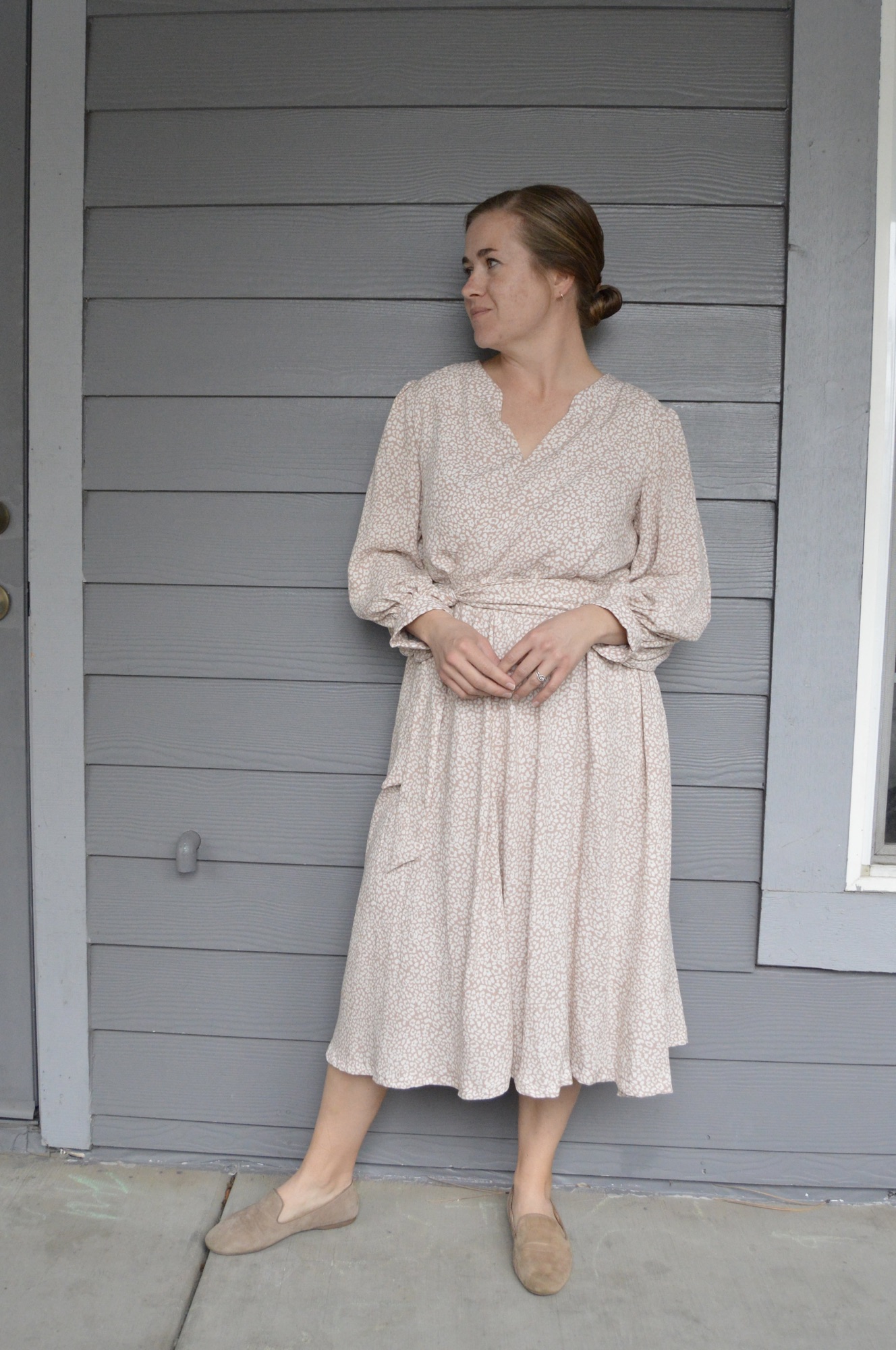
Fabric impacts the price A LOT. I made the same pattern using a different fabric (pictured above) that only cost me $9.00 total for the 3.5 yards, so the overall expense in that scenario would be significantly less. However, the quality of the fabric is often reflected in the price. My cheaper dress got sent straight to a thrift shop while my Liberty London is still in my closet and worn regularly (although, I have to admit it wasn’t just the fabric that I hated with the one that was donated!). While it’s true that I could buy cheaper fabric (less than $10/yd) to cut costs, I’ve found I prefer the quality of fabric that’s a tiny bit more expensive ($10-$25/yd). It’s easier to sew, lasts longer and feels much nicer in my opinion. I know very little about what’s offered above the $25/yd price point but I’d imagine it’s lovely!

Size will impact the total cost of the garment. The truth is that when you sew, you have to get enough fabric for whatever size you are. In stores, an XS tee will typically cost the same as an XL tee. But in the sewing world, an XL tee will require more fabric and therefore cost more money overall (same concept goes for height as well). In our example, I made View A which calls for 5 yards of fabric but, as mentioned above, I only used 3.5 yards. Many patterns over-estimate fabric requirements but also I’m only 5’3″ on a good day. So I typically alter the pattern to remove inches of length from the hem, the sleeves and sometimes the bodice, all of which means less fabric used.
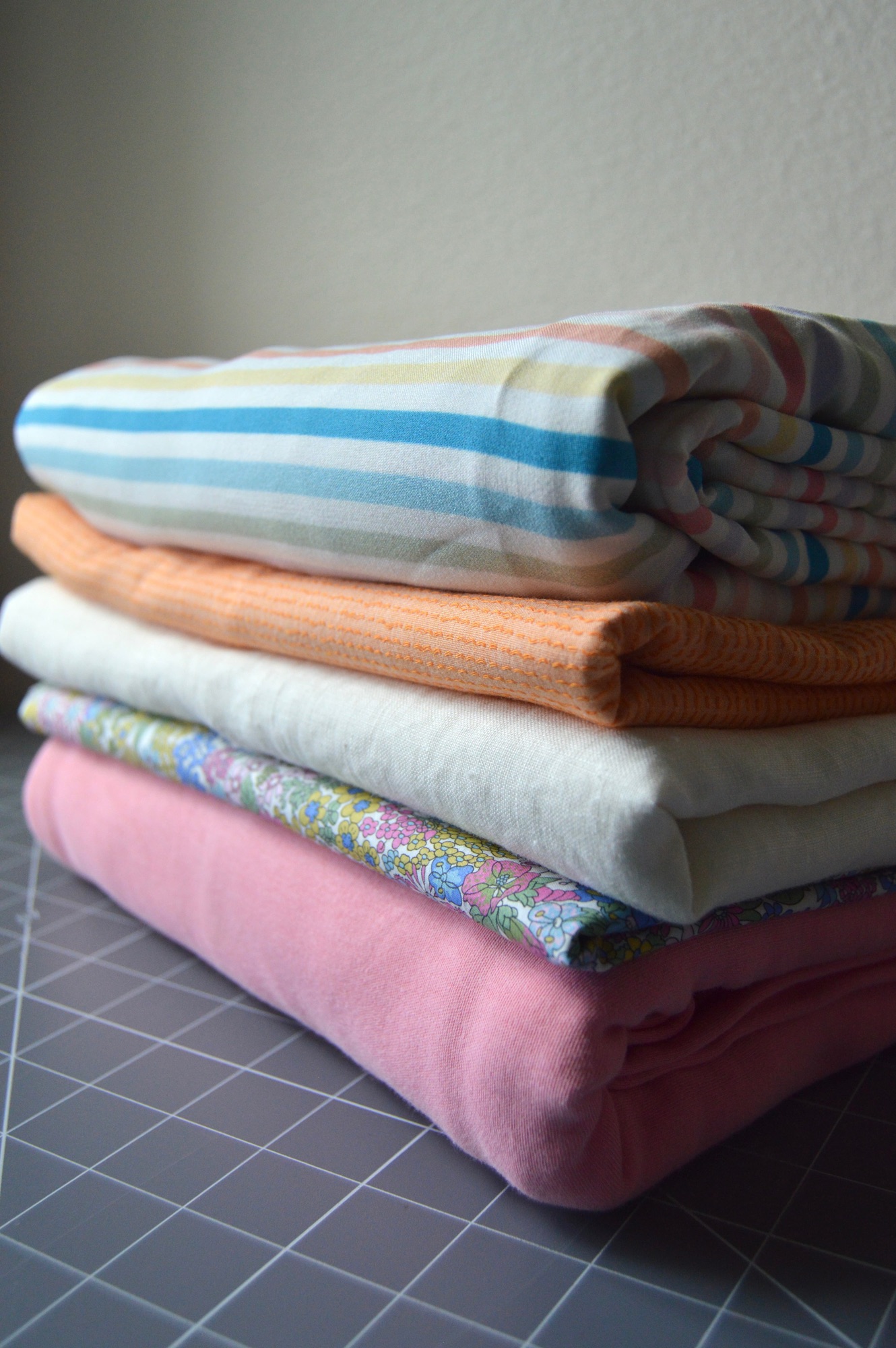
You don’t have to buy everything every time. You might have noticed in our example, that the package of elastic contained 12 yards! That’s much more than what’s needed for the dress, so it will definitely be available to use in other projects. The same can often be said for interfacing, thread and other notions. Patterns only need to be purchased one time and can be used indefinitely. For each garment I make and post about, I note the total cost, but I only include the price of things purchased specifically for the project. Usually that includes the fabric, any project specific notions (i.e. matching buttons), and sometimes the pattern. In the example though, even if we take out the notions and pattern, the fabric still cost $70 and I could still find something cheaper in store. I’d also like to note that even though I don’t have to buy elastic/interfacing/thread/needles/whathaveyou every time I sew, I DO have to buy those items regularly. Sewing isn’t a buy-it-once kind of hobby.
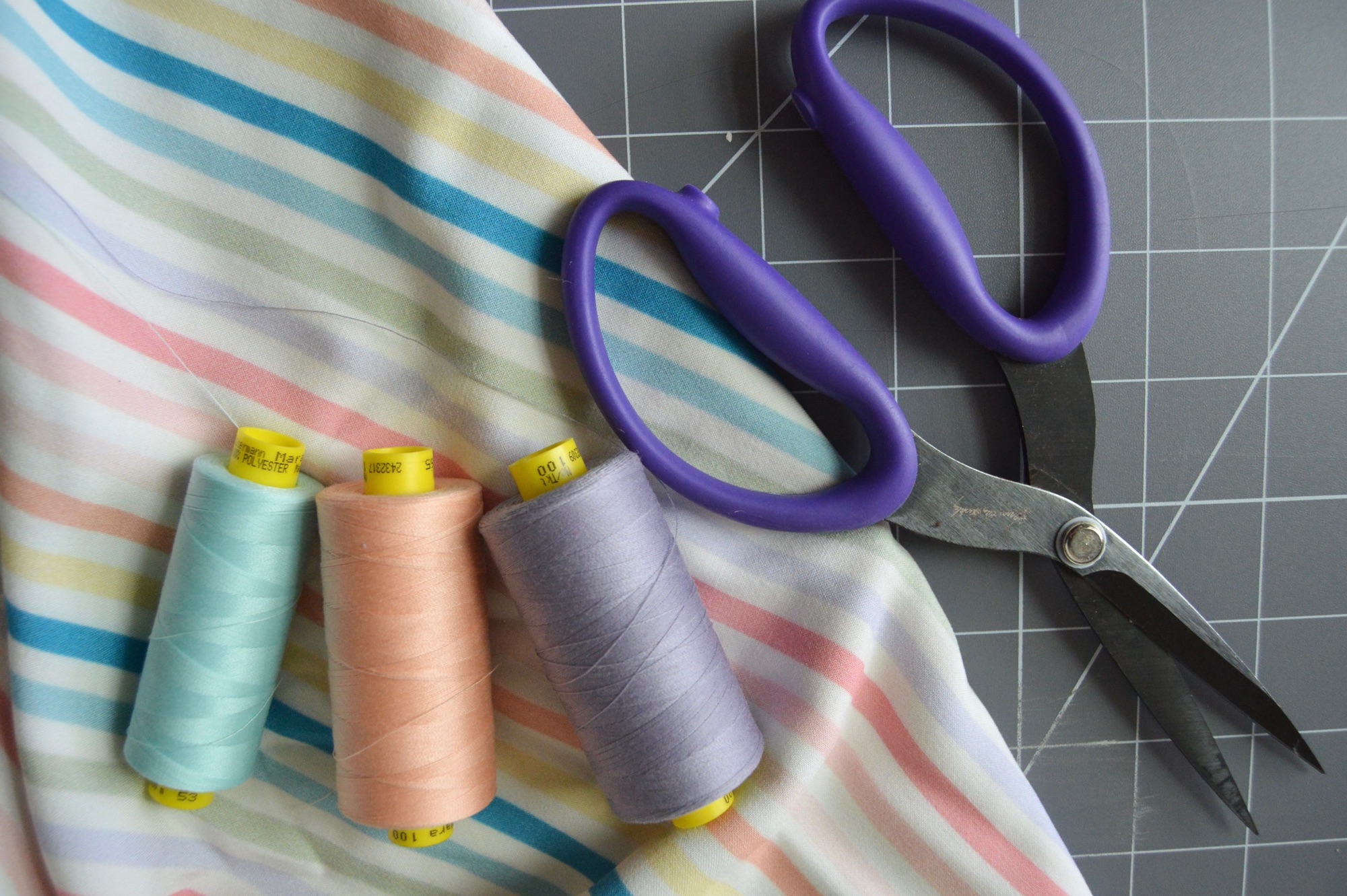
Finally, it wouldn’t be very thorough of me to talk about the cost of sewing without mentioning the expense of starting up. It’s likely you’ll have to spend money just to acquire the basics needed for sewing (machine, scissors, iron, etc.), and the total cost can vary greatly, depending on brand, whether you’re buying used, etc.. However, the cost of a machine and essential tools should be seen as investments. The hope is that the tools you buy will serve you for years to come.
Moving back to the per item cost of sewing, here are a few more examples of items I’ve made compared to similar RTW items of varying price points. Prices listed are current to post publishing (2026).
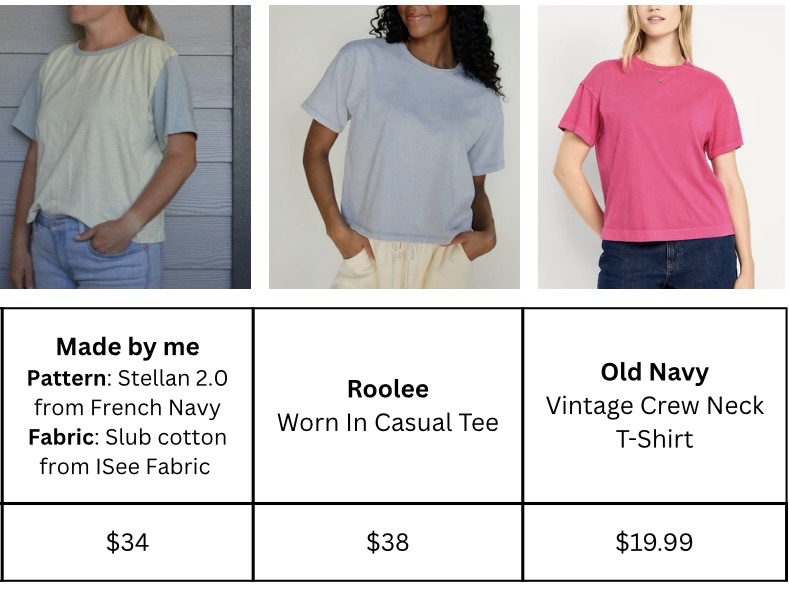
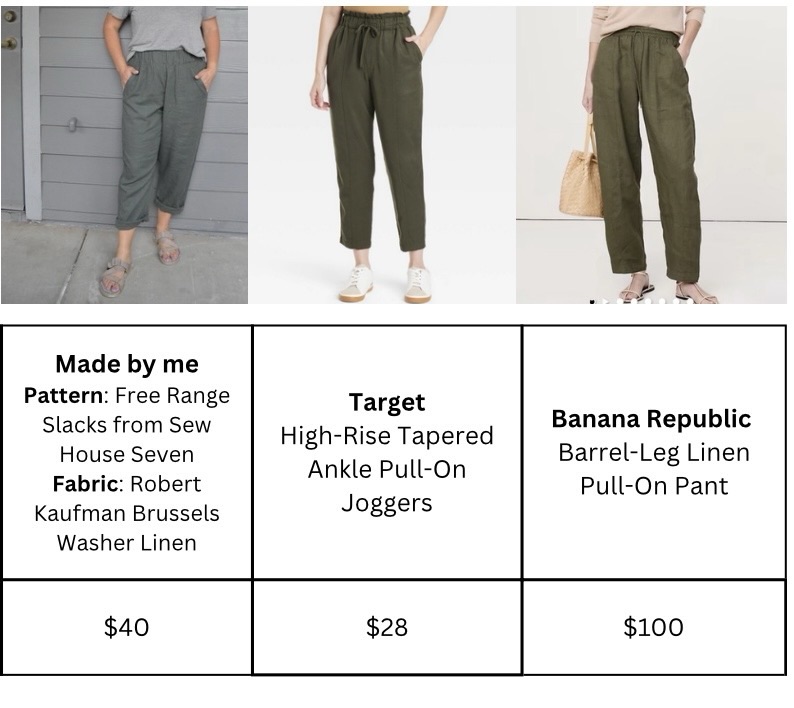
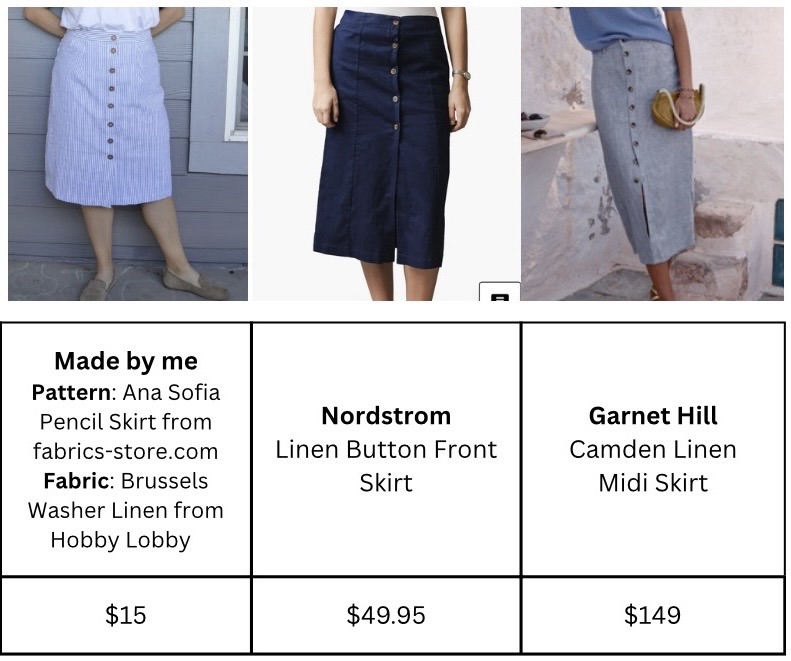
In these examples, the only time sewing was the cheapest option was with the linen skirt. In that case, the skirt was made using a free pattern, not much fabric was needed, and the fabric was on sale, all of which helped make the total cost quite affordable.
Of course, I could share many more examples of this with you, but as you can see, there are plenty of factors that influence the per project cost of sewing. While there are absolutely ways to make clothing that’s cheaper than RTW, it is challenging and often quality is sacrificed (cheap fabric can be poor quality and not all free patterns can be trusted). There are exceptions, like the linen skirt above, but there is always risk involved (there’s no trying on before buying!), so there’s no guarantee that you’ll like and wear what you make. Overall, for the most part, the clothes I make cost more per item than their RTW counterpart.

Okay, that’s where I’ll stop for today, but come back tomorrow if you want to read about times when sewing might be cheaper than buying! Let me know if you have any thoughts!
(If you’re interested to read more about my yearly sewing expenses, I have posts talking about that here {2025} and here {2024}).

 pineconesandcactus.com