

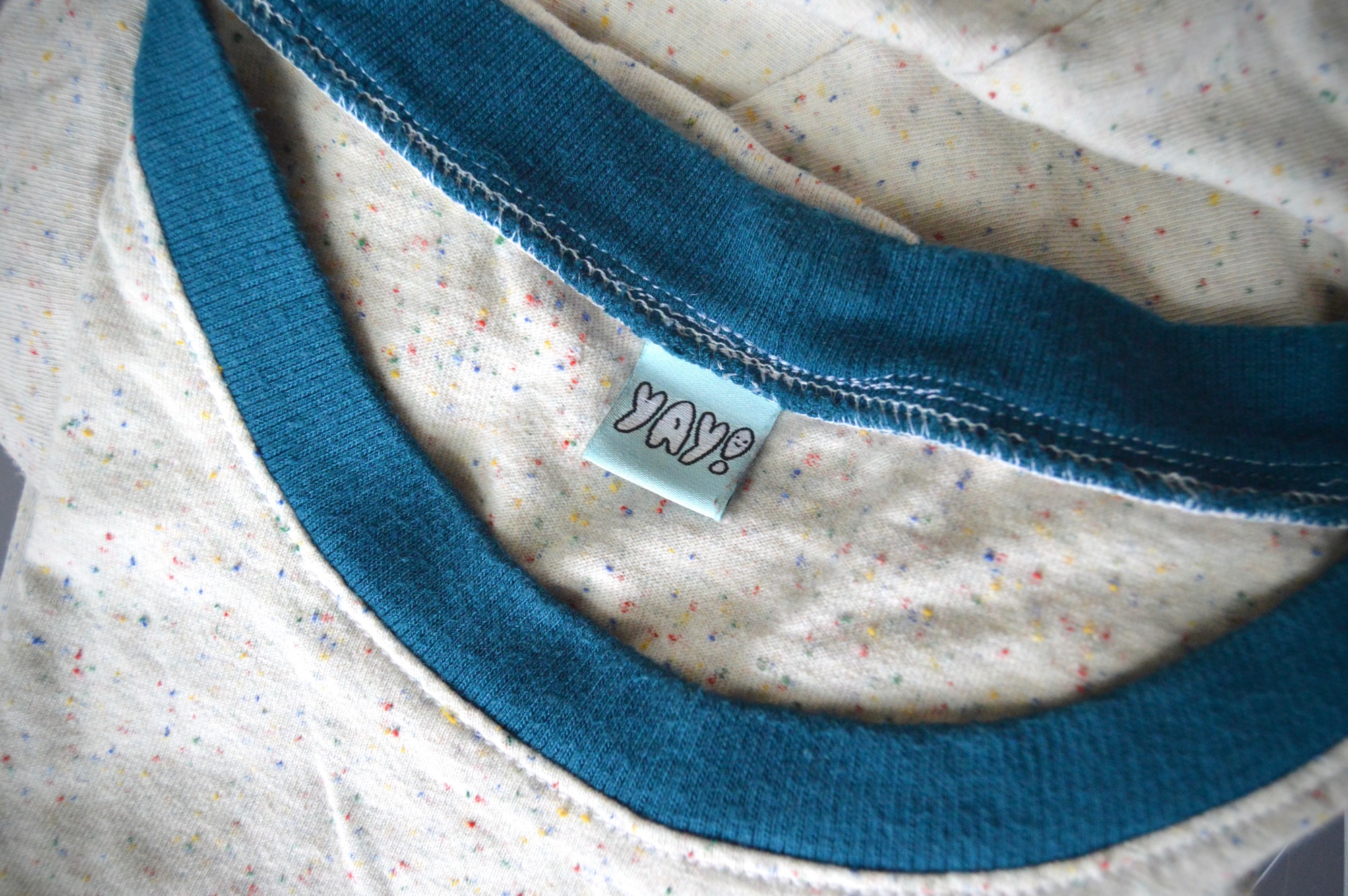
In the first part of this post, I showed some real life examples of how much sewing clothing can cost. In my opinion, if saving money on your wardrobe is the goal, there are much more effective options out there (i.e.thrifting, shopping sales/clearance, accepting hand-me-downs, etc). However, there are some instances where I think it’s possible for sewing to be more cost effective than buying.
Sewing clothes might be cheaper than buying…
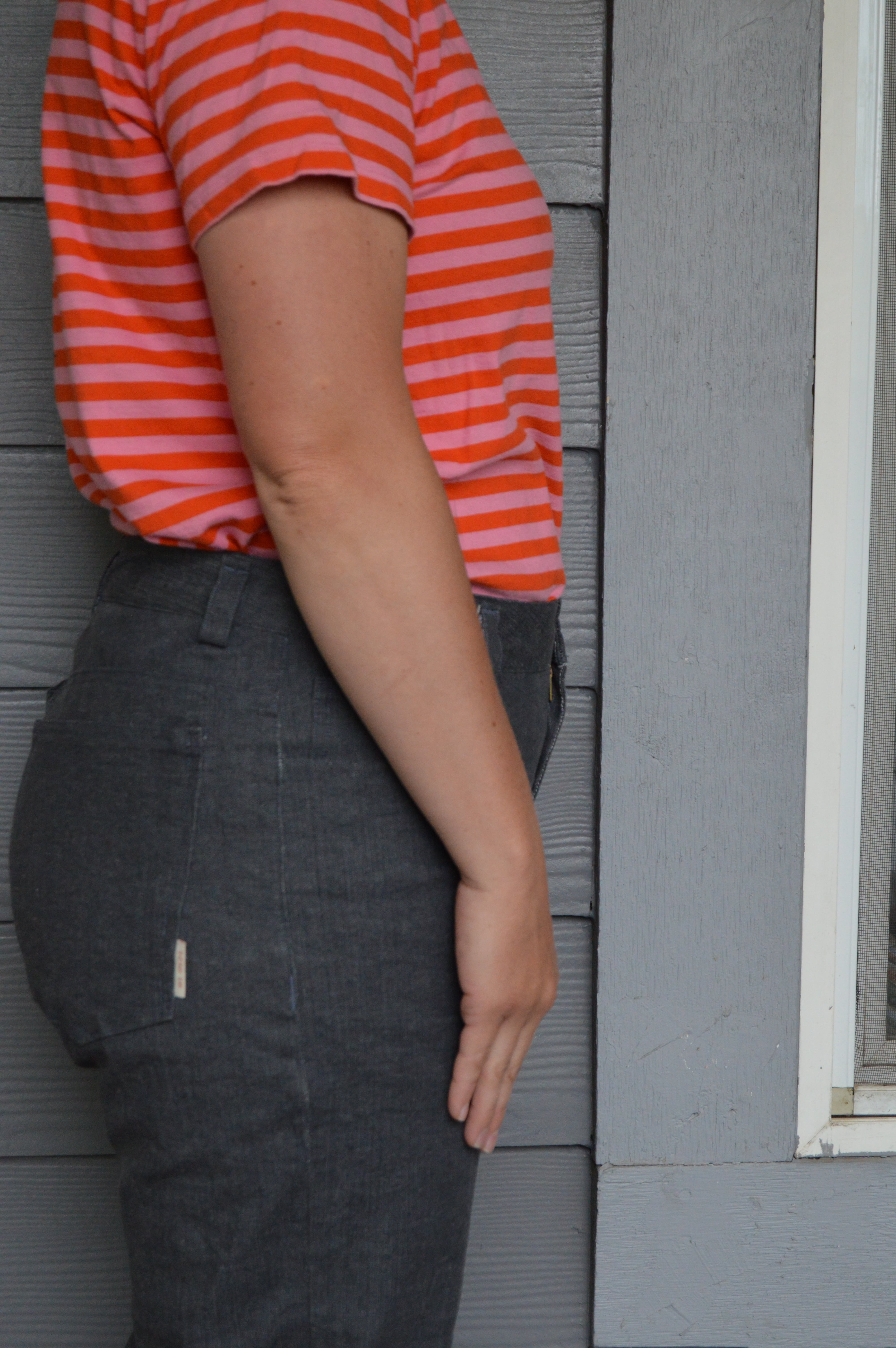
If you have a hard time finding clothes in store that fit your body.
When stores make patterns for the clothing they sell, they’re using measurements that they are hoping fit the highest number of customers possible, so they are all about averages. If your body varies a lot from what those averages are and you have a hard time finding RTW clothes that fit, sewing might be a good option for you. With blending sizes or finding the right pattern adjustments, you can make your clothes fit regardless of your inseam measurement or your waist to hip ratio. And my guess is that it’s cheaper than finding a tailor.
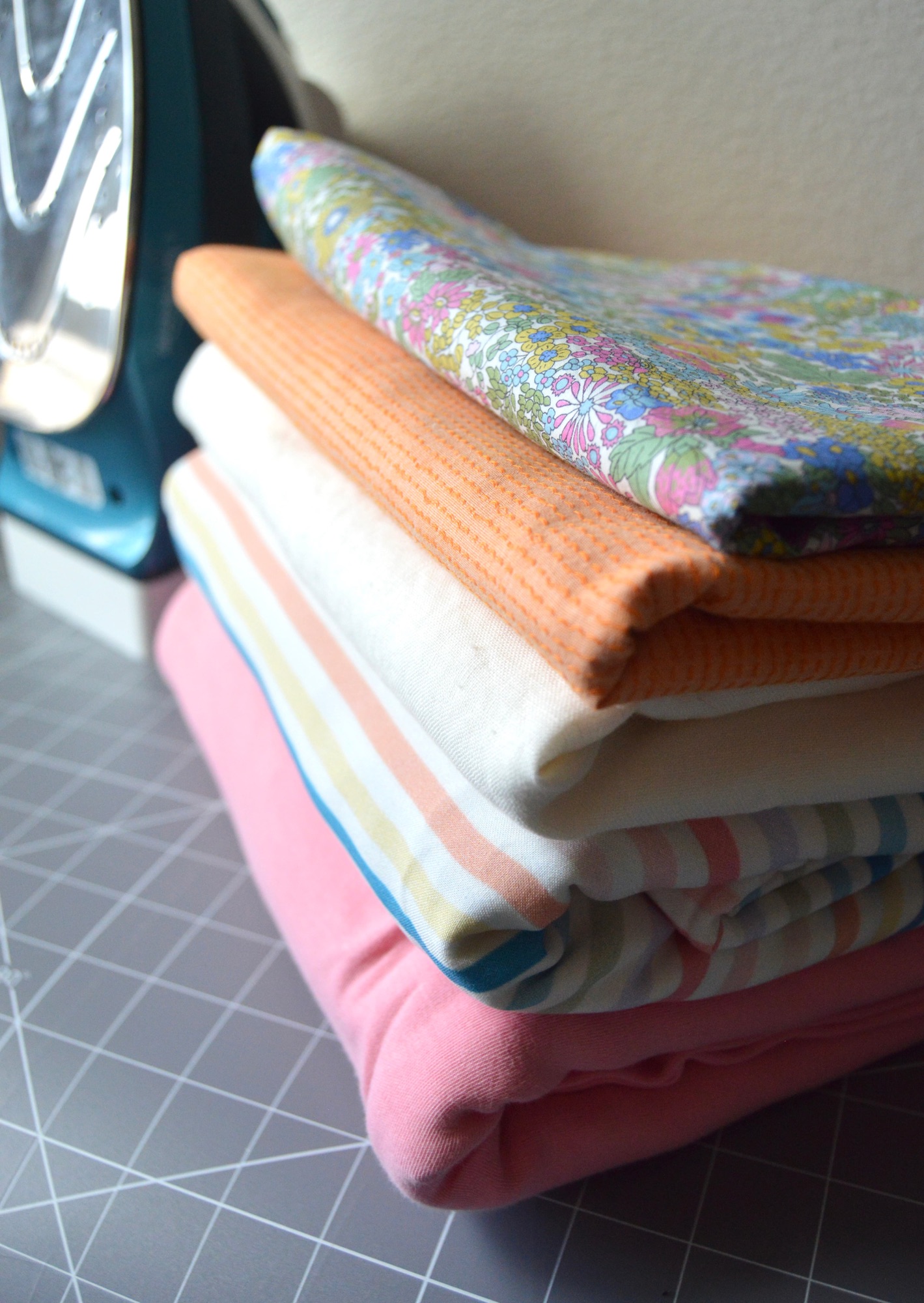
If you are trying to fight fast fashion. The sewing community has been doing a good job at shedding light on some of the troubling aspects of the fast fashion industry. And people are taking action. Many fabric shops are transparent about where and how they source their fabric. I’ve noticed there is more of an effort to create fabric using sustainable methods, sell natural fibers, pay textile artists livable wages, and keep bolts of fabric from going to landfill. There’s no better (or cheaper) way to ensure that your clothes are being made in an ethical and sustainable way than to make them yourself.
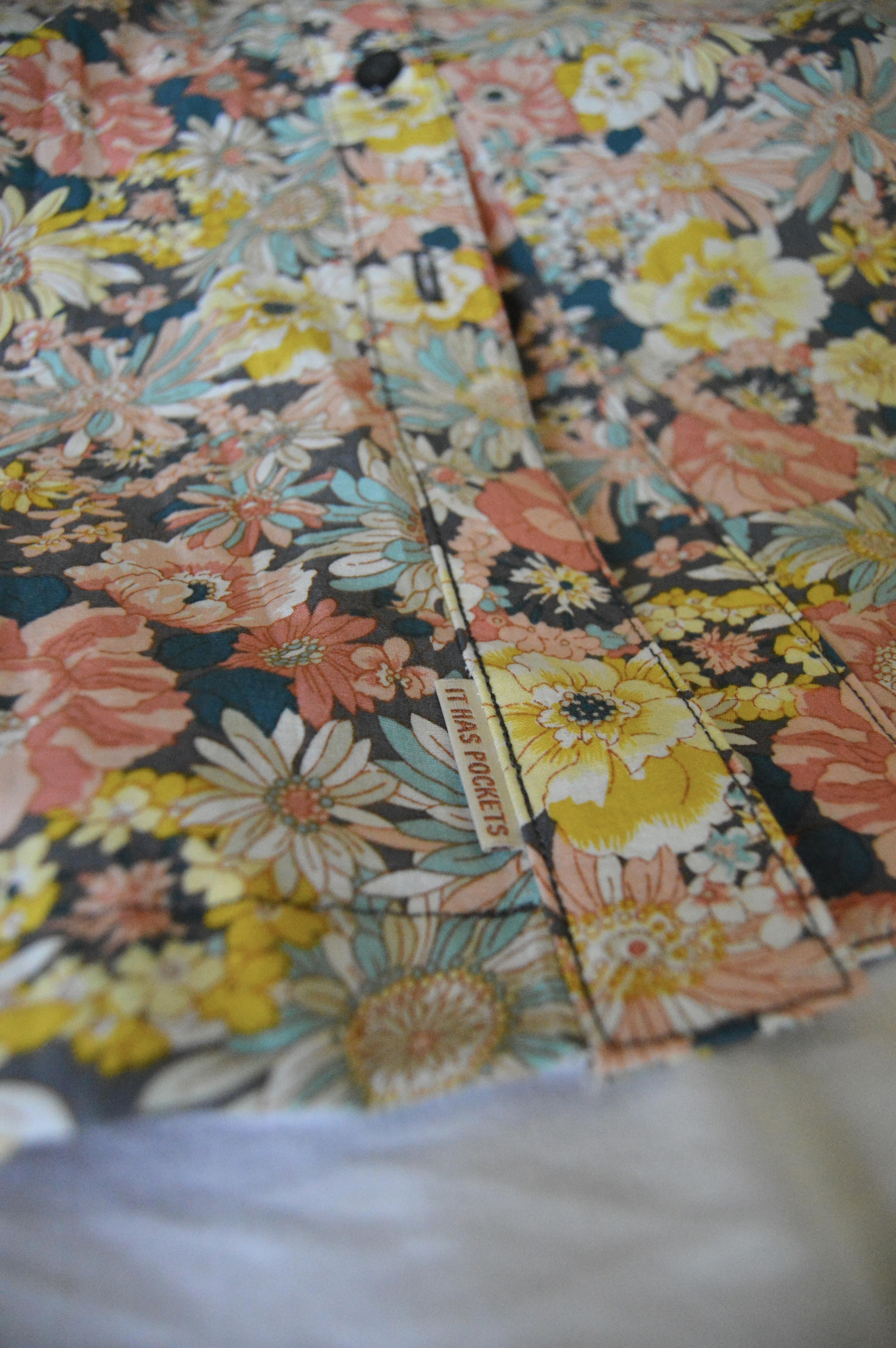
If you’re wishing for quality that you can’t afford. It seems like the quality of clothing is going downhill. Quality pieces that used to be within my budget are now made poorly and with cheap materials. When I first started sewing, the things I made weren’t any better than what could be found in store. But with time and practice I’ve gotten to the point where most of the clothing I make is better quality than the RTW stuff that’s available in my typical price range (and even, maybe, a couple tiers above that too).
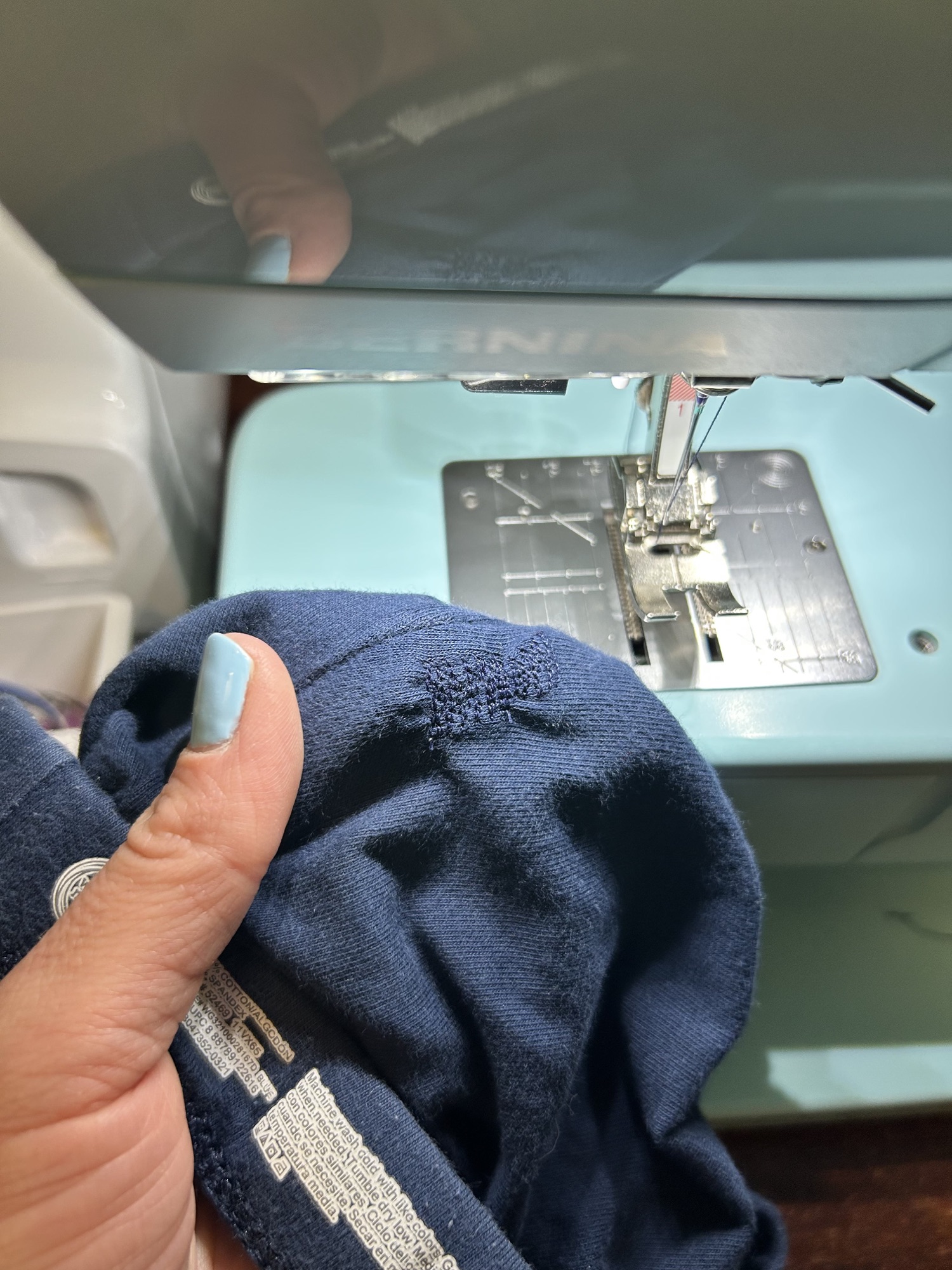
When you mend or upcycle. Mending can extend the life of a garment for months or even years and costs very little, often using only a needle and some thread. And I personally have very little experience with upcycling, but I know some people create great items by changing an already existing piece of clothing (often thrifted) to make it fit/suit them better.
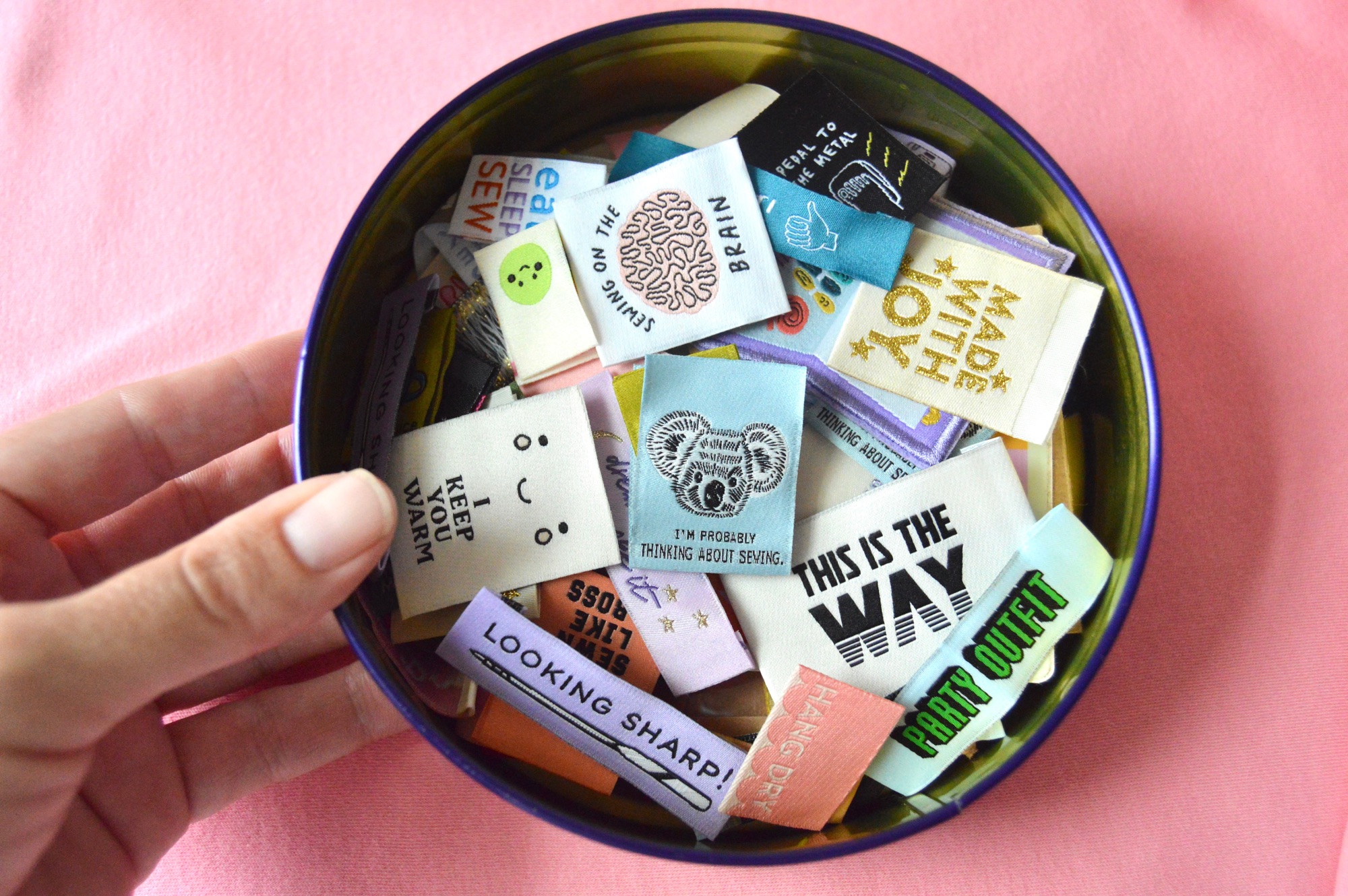
If you genuinely just love to sew. Nobody who sews is going around telling people that sewing is a cheap hobby. BUT if you seriously love sewing, the money spent is not only paying for a (hopefully!) wearable garment, it’s also paying for learning new skills and hours of fun (and sometimes frustration, but hopefully mostly fun!). For a hobby, that’s a pretty good deal! And if you are a truly frugal person who struggles to spend money without justification, let me just say to you: it is okay to spend money on something just because it brings you joy. No other reason is needed.
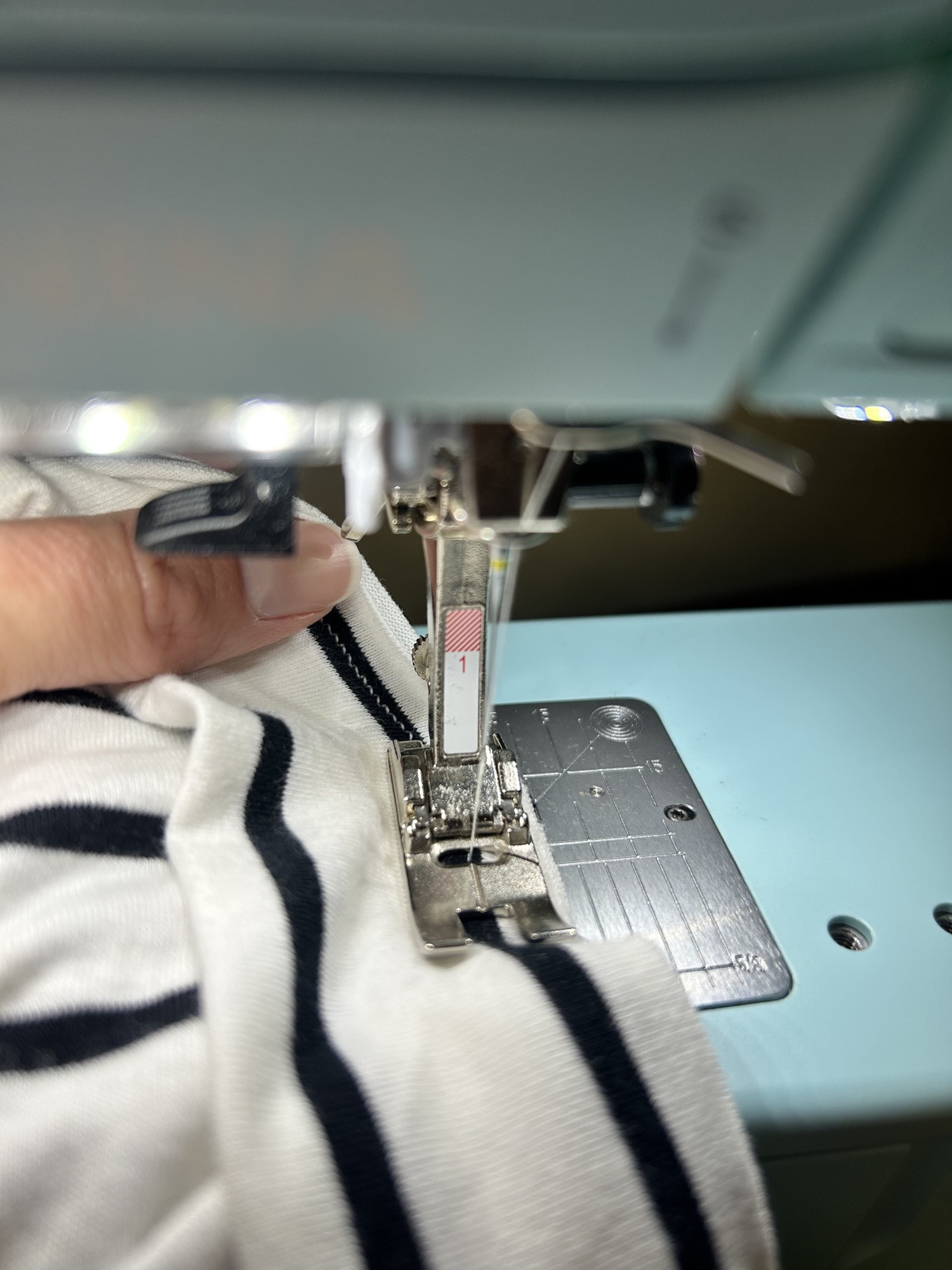
When you start sewing clothes, there is no initiation pledge committing you to a life barren of RTW clothing. You can take things slow, follow your interests, and still buy RTW. It doesn’t have to be all or nothing. Maybe sewing your own leisurewear won’t save you any money, but sewing a dress to wear to your cousin’s wedding will, so that’s where you focus your efforts.
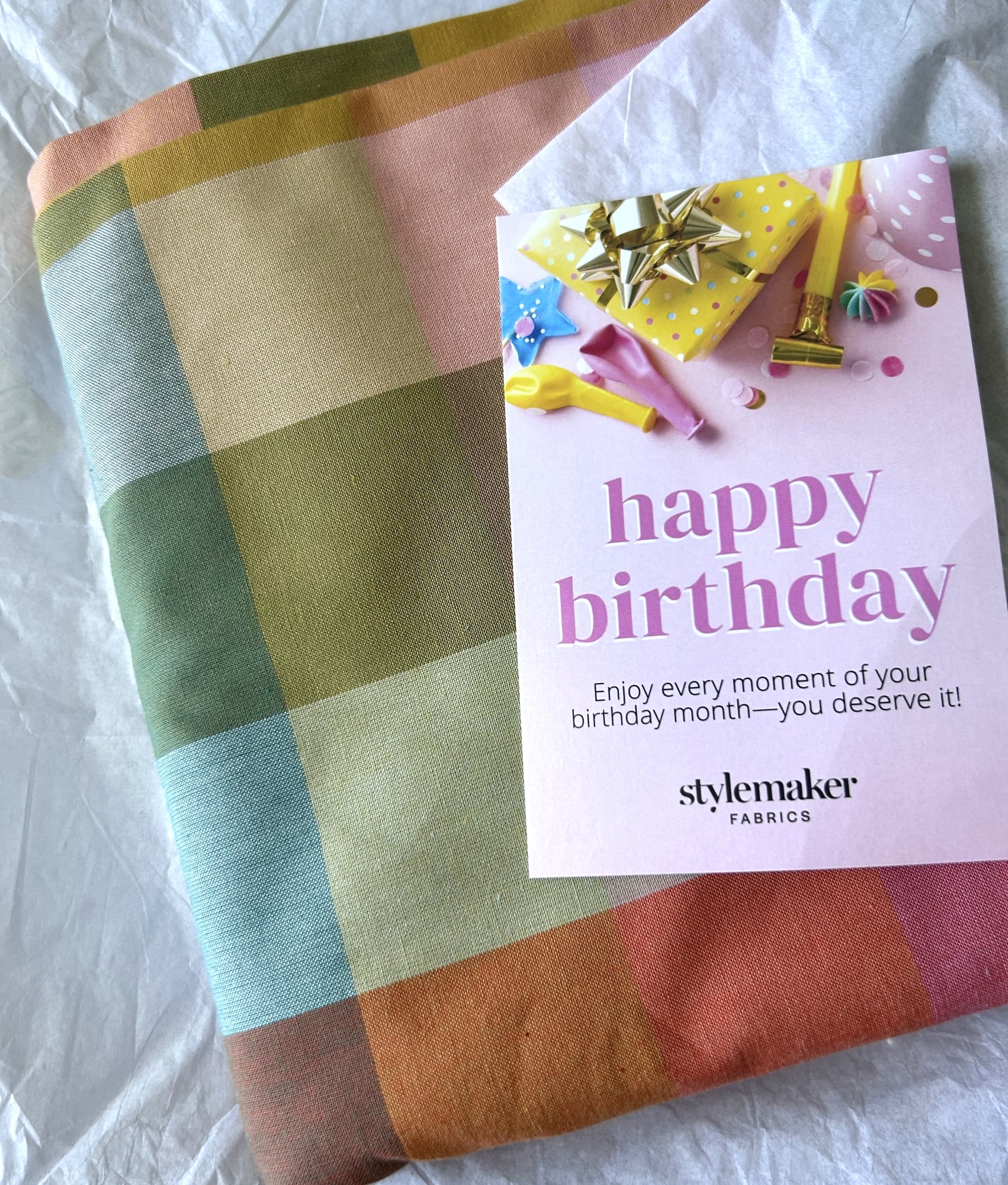
While the above examples are saving money in a tangential sort of way, here are some ideas to save money in a more active way:
- Sign up for newsletters or follow on social media to know about sales and promotions.
- Check clearance items/selvedge yards/remnant bins for discounted fabrics.
- Use fabric-forward items like sheets, curtains, or tablecloths for sewing projects (for example, used sheets make great muslin fabric, throw blankets can be used as quilt backing, etc.).
- Thrift what you can.
- Consider buying a used sewing machine. Sewing machine shops often sell refurbished or floor model machines for a fraction of the price.
- Know your machine and treat it well so it can last.
- Check your library for sewing books and patterns. I’ve even heard that some libraries have sewing machines available to borrow.
- Use free patterns (from reputable designers!).
- Save buttons and hardware from clothes and bags that might otherwise be destined for the trash.
- Take things slow and do things right! Making janky stuff doesn’t save money.
- Request gift cards to your favorite fabric shop when people need gift ideas for you.
- Tell everyone how much you love to sew. If they eventually find themselves in a position where they need to get rid of sewing items, they’ll think of you!
Phew! Deep breath, people, we made it to the end! I know this was a LOT of information. The tldr of it is: I personally do not think sewing is cheaper than buying BUT there are exceptions to the rule as well as ways to try to make it a teeny, tiny bit cheaper too. And, at the end of the day, sewing is the best so, expensive or not, I’m gonna keep sewing.
Let me know if you have any questions. For those who sew, what’s your opinion? Can sewing be cheaper than buying? Do you have ways to make sewing more affordable? Let us know!
Thanks for reading! And I’m glad to finally get these posts off my chest so I can think about something else for a change!

 pineconesandcactus.com